
Guitar care and maintenance guide
Table of Contents
Guitar care
General guitar storage conditions:
A classical guitar requires a stable environment with consistent temperature and humidity levels year-round. Ideally, humidity should be maintained between 45% and 55%, while temperatures should range from 18 to 28 degrees Celsius. Avoiding sudden fluctuations in both humidity and temperature is crucial.
Exposing the guitar to humidity levels below 40% for extended periods or subjecting it to rapid changes in humidity can lead to cracks or open seams. A dry instrument will produce a deteriorated, thin, and rough sound, while excessive humidity can result in a muffled and lifeless tone.
For optimal guitar care, it is strongly recommended to use automatic room humidifiers or dryers to regulate humidity levels. These devices can maintain programmed humidity levels, which are also conducive to human health. However, it’s essential to recognize that humidifiers placed inside the guitar case should only serve as temporary or backup solutions, regardless of any marketing claims.
To prevent abrupt environmental changes, never place the instrument near heat sources, cold drafts, or moisture sources, such as heaters (including floor heating), stoves, air conditioners, car trunks, car interiors, bodies of water, grass, or showers.
Additionally, be cautious with air conditioning systems, as they can rapidly reduce room humidity to unsafe levels. Using an automatic humidifier alongside air conditioning is highly recommended.
Everyday storage:
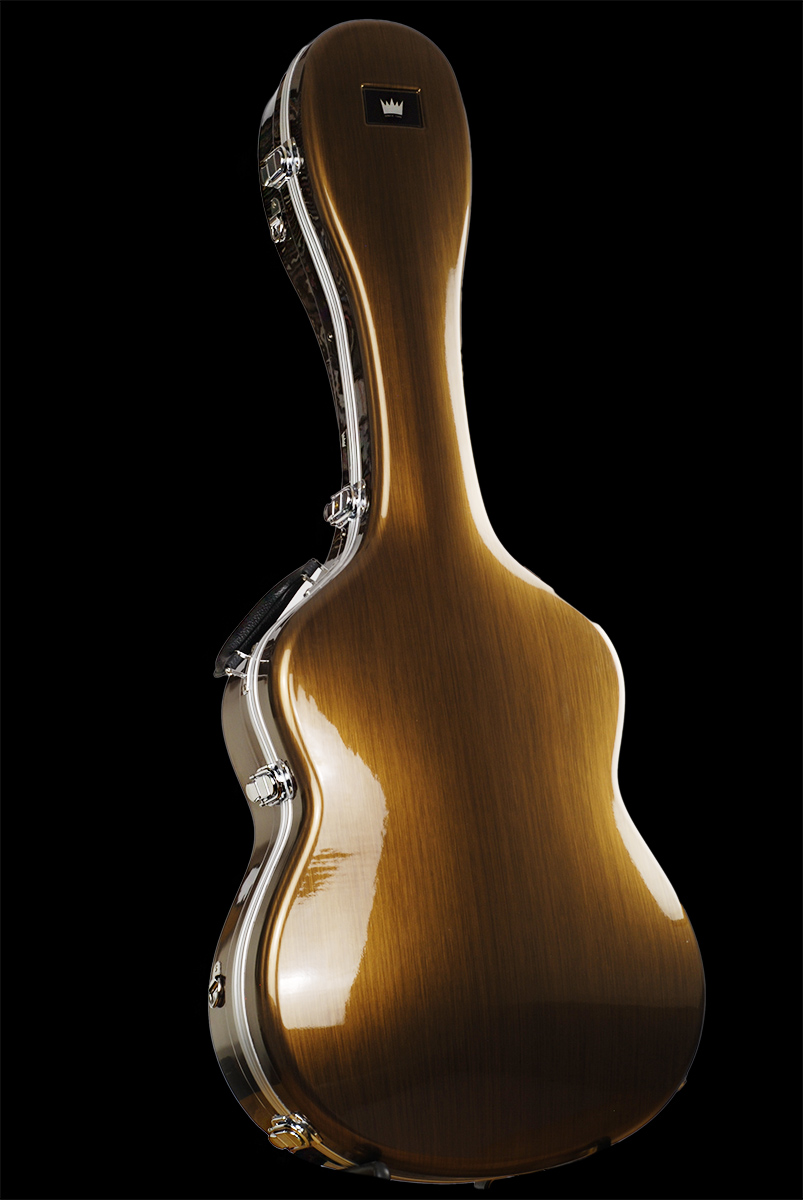
The best place to store your guitar when not in use is a good-quality hard case (if you are having a humidity issues consider using BOVEDA humidity control solutions).
When exposed to the air, a classical guitar can accumulate or lose moisture very quickly. For this reason, do not store the guitar on a stand or hang it on the wall. A good hard case also provides excellent protection against accidental damage by children or pets.
Transport
If you intend to transport your precious guitar in a car with the heating or air conditioning on, a good humidifier should be in the case. Please note that in-case humidifiers are only a temporary aid, not a safe solution and cannot replace room humidifiers.
Place the case in an airtight cover (a large garbage bag also works but soft, foam cello gig bag, ¾ in size, is another great idea) for extra protection against changes in temperature and humidity in hot and cold season alike. NEVER leave the guitar in the trunk of a car or in the passenger compartment in direct sunlight, in hot or cold weather.
Maintenance
Everyday cleaning
Taking care of the strings
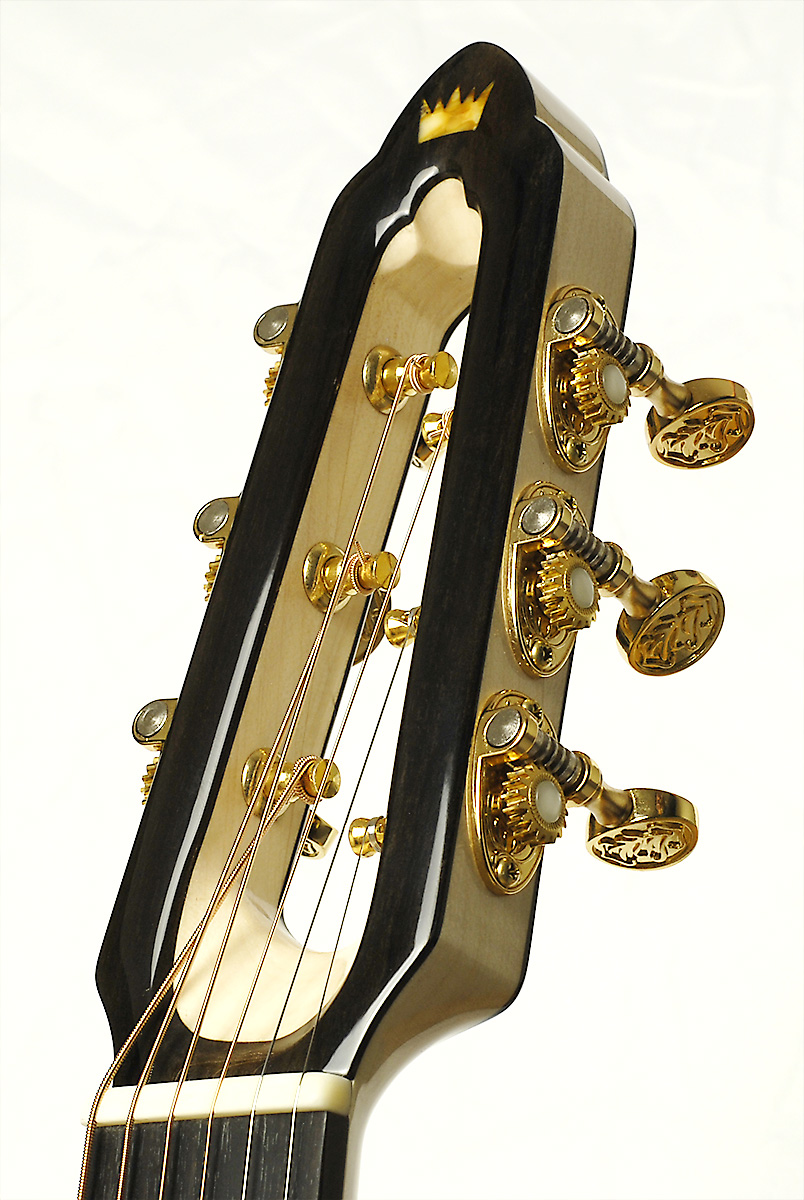
Classical guitar strings should be replaced every three months (ok, every six months the latest) to give guitar sound what it was designed for. If you play every day (what you should!) it is advised to restring your guitar every month. Wiping the strings with a string cleaner (in a form of wet tissues) after each play session helps to keep the good sound as our fingers can leave surprising amount of dirt and oil mudding the sound. Bass strings needs more frequent replacement than therbes as they cummulate most of the dirt. There are guitar sets with double amount of bass strings which is a nice and practical feature. You can read much more about classical guitar strings in our Classical Guitar Strings GuideTuning machines care
Fretboard care
The guitar’s fingerboard should be cleaned with each strings change. Use a good fingerboard conditioner for this, which will clean and moisturize it, avoiding loosening frets and cracks. Remove excess conditioner with a second clean cloth.
The easiest way to do this is to remove all the strings first, but many guitar manufacturers advise you to avoid loosening the neck tension (which usually does not have a truss rod) and to clean the fingerboard “strap by strap” when only one sting is missing at a time.
Polishing the finish
As the time pases regardles of all our guitar care there might be a need for stronger “restoration”. To restore a full glow of your guitar finish or even remove / decrease lighter scratches you can polish your guitar with appropriate agent (guitar polish).
Before you start doing it double-check if the surface of the guitar and the cloth you are going to use are perfectly clean and free of any dust which may scratch the surface. Put some of the agent on the cloth and wipe your guitar with circular movements.
If you want to remove some scratches you can use some good and gentle polishing agent like Finixa One Step.
Warning: never polish a french polish finish (shellack) and clean it with the utmost care.